Art, Music and Expression as Pathways to Healing
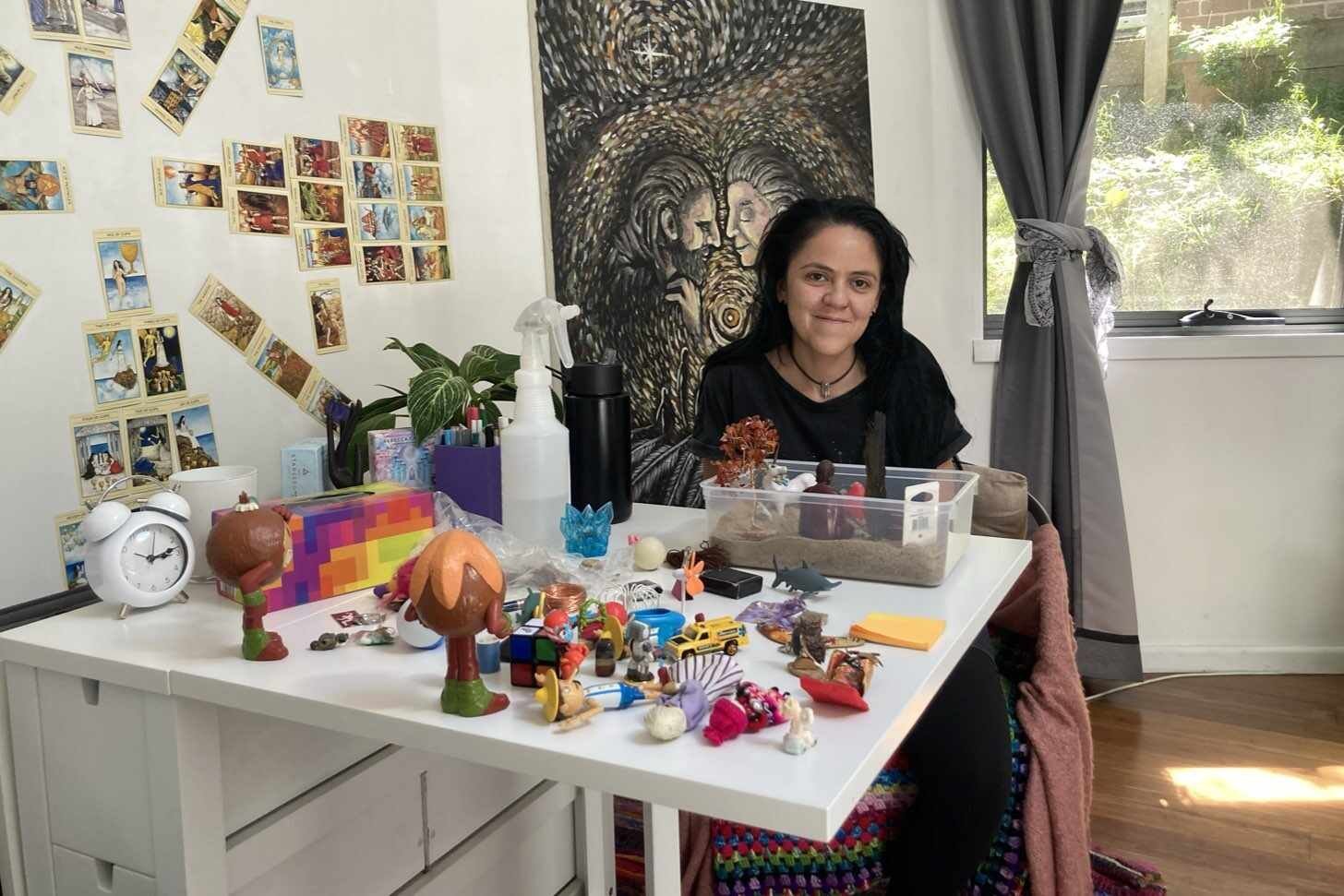
Addiction narrows expression.
Creative therapy expands it again.
When substance use becomes the primary coping strategy, emotional vocabulary shrinks. Feelings become either overwhelming or suppressed. Creative therapies restore the ability to express, process and integrate emotions safely.
Art, music and expressive practices do not replace clinical treatment. They deepen it. They reach areas of the psyche that words alone cannot access.
This guide explores how creative therapies support addiction recovery, the science behind their effectiveness and how they integrate into holistic treatment programs.
Why Expression Matters in Recovery
Addiction often develops in response to emotional pain, trauma or chronic stress. Many individuals struggle to articulate these internal experiences.
Creative expression bypasses intellectual defences and activates different neural pathways. It allows:
-
Emotional release without confrontation
-
Safe exploration of identity
-
Non-verbal processing of trauma
-
Reconnection with joy and play
Creative therapy reduces psychological pressure. Instead of suppressing emotions, individuals give them form.
The Science Behind Creative Therapy
Creative activities engage multiple areas of the brain simultaneously.
When someone paints, composes music or writes:
-
The limbic system processes emotional memory
-
The prefrontal cortex integrates reflection and insight
-
Dopamine pathways activate in healthy, non-substance-based ways
This natural dopamine release becomes particularly important. Addiction hijacks reward circuits. Creative flow states help rebuild them.
Research from institutions such as Johns Hopkins University and Harvard Medical School highlights how music and art therapy can reduce stress hormones, improve mood and support neuroplasticity.
Neuroplasticity allows the brain to form new, healthier behavioural patterns.
Art Therapy: Painting the Unspoken
Art therapy involves structured creative exercises guided by trained therapists.
Participants may:
-
Create visual representations of emotions
-
Paint their “addiction story”
-
Draw future self-portraits
-
Use collage to explore identity
-
Sculpt representations of resilience
Art becomes symbolic language.
For individuals with trauma, visual expression often feels safer than direct discussion. The body and subconscious communicate through colour, texture and imagery.
The process matters more than the final product.
Music Therapy: Rebuilding Emotional Rhythm
Music regulates the nervous system.
Structured music therapy can include:
-
Songwriting about recovery experiences
-
Group drumming sessions
-
Guided listening for emotional processing
-
Instrument exploration
-
Vocal expression exercises
Music stimulates bilateral brain engagement and can help process traumatic memories similarly to EMDR techniques developed by Francine Shapiro.
Group music experiences foster connection and synchrony. When individuals drum or sing together, heart rates can align. This biological synchronization strengthens social bonding.
Addiction isolates. Music reconnects.

Journaling and Written Expression
Writing remains one of the most accessible creative tools in recovery.
Structured journaling may include:
-
Daily emotional check-ins
-
Gratitude practice
-
Letters to the past self
-
Trigger reflection exercises
-
Future vision statements
Expressive writing reduces rumination and improves emotional clarity.
Programs influenced by 12-step philosophies such as Alcoholics Anonymous and Narcotics Anonymous incorporate written inventory work, which mirrors therapeutic journaling principles.
Putting thoughts on paper reduces their intensity.
Movement and Embodied Expression
Creative therapy also includes physical expression.
Dance, yoga and somatic movement allow individuals to:
-
Release stored trauma
-
Improve body awareness
-
Rebuild self-trust
-
Reduce anxiety
Trauma researcher Bessel van der Kolk emphasised that trauma is stored in the body. Movement helps discharge that stored stress.
In retreat environments surrounded by nature, such as Bali, outdoor movement enhances emotional regulation through sensory grounding and environmental calm.
Emotional Benefits of Creative Therapy
When integrated into addiction recovery, creative therapies commonly produce:
-
Reduced anxiety and depression
-
Increased self-awareness
-
Improved emotional vocabulary
-
Enhanced self-esteem
-
Strengthened resilience
-
Reduced cravings
Creativity restores agency. Individuals begin to see themselves as creators rather than victims of circumstance.
Addressing Shame Through Creation
Shame often drives addictive behaviour.
Creative therapy externalises shame. Instead of saying, “I am broken,” individuals create an image or song that represents the feeling.
Once externalised, shame becomes something to observe and process rather than embody.
Group creative sessions also reduce isolation. Participants witness one another’s vulnerability, which fosters empathy and collective healing.
Flow State and Healthy Reward
Psychologist Mihaly Csikszentmihalyi described the concept of “flow” as deep immersion in meaningful activity.
Flow states:
-
Increase dopamine naturally
-
Reduce intrusive thoughts
-
Improve focus
-
Decrease stress
In recovery, rediscovering flow through art, music or writing replaces substance-induced stimulation with sustainable engagement.
Integrating Creative Therapy into a Weekly Programme
A balanced holistic schedule may include:
-
Morning mindfulness and journaling
-
Midweek art therapy sessions
-
Group music circles
-
Weekend creative workshops
-
Reflective writing evenings
These practices complement clinical therapy rather than compete with it.
Creative sessions provide integration space between emotionally intensive therapeutic work.
Common Misconceptions
“I am not artistic.”
Creative therapy does not require talent. It requires participation.
“It feels childish.”
Play is neurologically restorative. Adults benefit from structured creative play.
“It is not clinical enough.”
Creative therapy is evidence-based and widely implemented in trauma-informed treatment models.
Long-Term Impact
Creative engagement often continues after formal treatment ends.
Former clients frequently:
-
Join community choirs
-
Continue journaling
-
Take up painting
-
Learn instruments
-
Engage in local art groups
These activities provide healthy social networks and sustained emotional outlets.
Recovery becomes not only about avoiding substances but about building a rich, expressive life.
Final Reflection
Addiction silences the authentic self. Creative therapy helps it speak again.
Through colour, rhythm, movement and language, individuals rediscover identity beyond addiction.